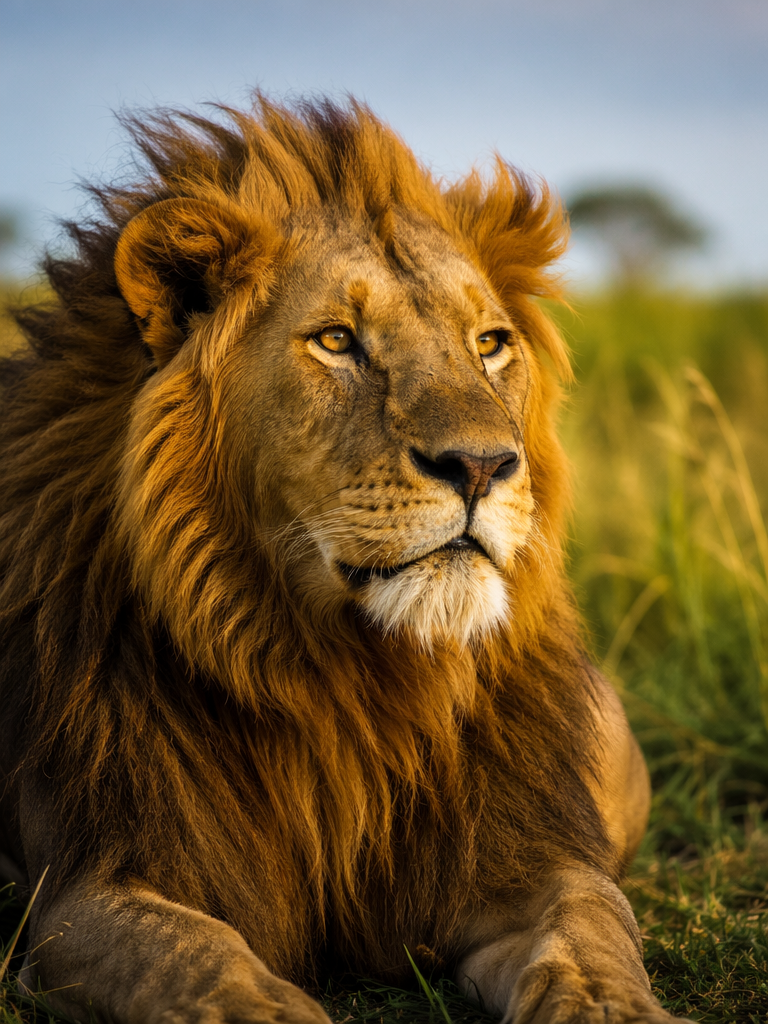
The Safari Photos Everyone Takes vs. The Shots That Actually Win Awards
Imagine standing in the heart of the African savannah, the sun just peeking over the horizon, casting a golden glow on a herd of elephants grazing peacefully. It’s a scene straight out of a nature documentary, yet you’re right there, camera in hand, ready to capture the magic. Safari photography isn’t just about snapping pictures; it’s about immersing yourself in the wild and telling a story through your lens.
What might surprise you is how different this experience can be compared to traditional photography. The challenges are unique, and understanding the art of shooting in these dynamic environments can make all the difference between a good photo and a breathtaking one.
Understanding the Unique Challenges of Safari Photography
Before diving into gear and techniques, let’s talk about what makes safari photography distinctly challenging yet incredibly rewarding. You’re often working in rapidly changing light conditions—think bright midday sun that can wash out colors, or low light during dawn and dusk that can leave your images grainy.
Wildlife doesn’t wait for you to get the perfect setup. Animals can be unpredictable, and being able to anticipate their movements is key. Add in the fact that you may be shooting from a moving vehicle or at a distance, and it’s clear that preparation is crucial.
Essential Gear for Safari Photography
Now, let’s talk gear. You don’t need to break the bank, but having the right equipment can elevate your safari photography experience. Here’s what I recommend:
- Camera Body: A DSLR or mirrorless camera is ideal for capturing high-quality images. Look for one with good autofocus capabilities, as you’ll want to quickly lock onto moving subjects.
- Lens: A long lens (200mm or longer) is essential for wildlife photography. I found a 100-400mm zoom lens gives you flexibility—allowing you to take close-ups without disturbing the animals.
- Tripod or Monopod: While you might not use these constantly in a vehicle, they can help stabilize your shots during longer exposures or in low light.
- Extra Batteries and Memory Cards: Wildlife photography can be unpredictable. You don’t want to miss that perfect moment because your battery died or your card filled up.
- Weather Protection: Depending on where you’re going, you might encounter rain or dust. A weather-sealed camera or a rain cover for your gear can save the day.
Techniques to Capture the Wild
With the right gear in hand, it’s time to focus on techniques that will help you capture stunning images:
- Understand Your Subject: Spend time observing animals before you shoot. Their behavior can give you clues about when and where they’ll be most active, which is invaluable for getting that perfect shot.
- Use Natural Light: The golden hours—early morning and late afternoon—offer the best natural light for photography. Aim to be out during these times for softer shadows and richer colors.
- Focus on Composition: Use the rule of thirds to place your subject off-center, allowing the viewer’s eye to move through the image. Don’t be afraid to include elements of the environment, like trees or grass, to provide context.
- Be Patient and Ready: Wildlife photography often requires waiting quietly and being ready at a moment’s notice. Keep your camera settings adjusted for quick shooting, especially if you’re in an area with lots of activity.
Avoiding Common Mistakes
Even seasoned photographers can fall into common traps. Here are a few mistakes to watch out for:
- Ignoring Backgrounds: A cluttered or distracting background can ruin an otherwise great shot. Always check what’s behind your subject before pressing the shutter.
- Failing to Adjust Settings: Don’t just shoot in automatic mode. Learn to adjust your aperture, shutter speed, and ISO settings to match the conditions and your subject’s movements.
- Not Considering the Ethics of Wildlife Photography: Always keep a safe distance from the animals. Respect their space and avoid behaviors that could disturb them or their habitat.
Final Thoughts on Safari Photography
Safari photography is not just about the photographs; it’s about the experience of being in some of the world’s most breathtaking landscapes and observing incredible wildlife in their natural habitat. I can’t stress enough the importance of patience, preparation, and respect for nature during your journey.
So, as you plan your next adventure, remember to embrace the unexpected moments. The wild has a way of surprising you, and sometimes the best shots come when you least expect them. Wear comfortable shoes, keep your camera ready, and prepare to create memories that last a lifetime.

With these insights, you’re well on your way to capturing stunning safari photographs that not only tell a story but also preserve the beauty of the wild for years to come. Happy shooting!