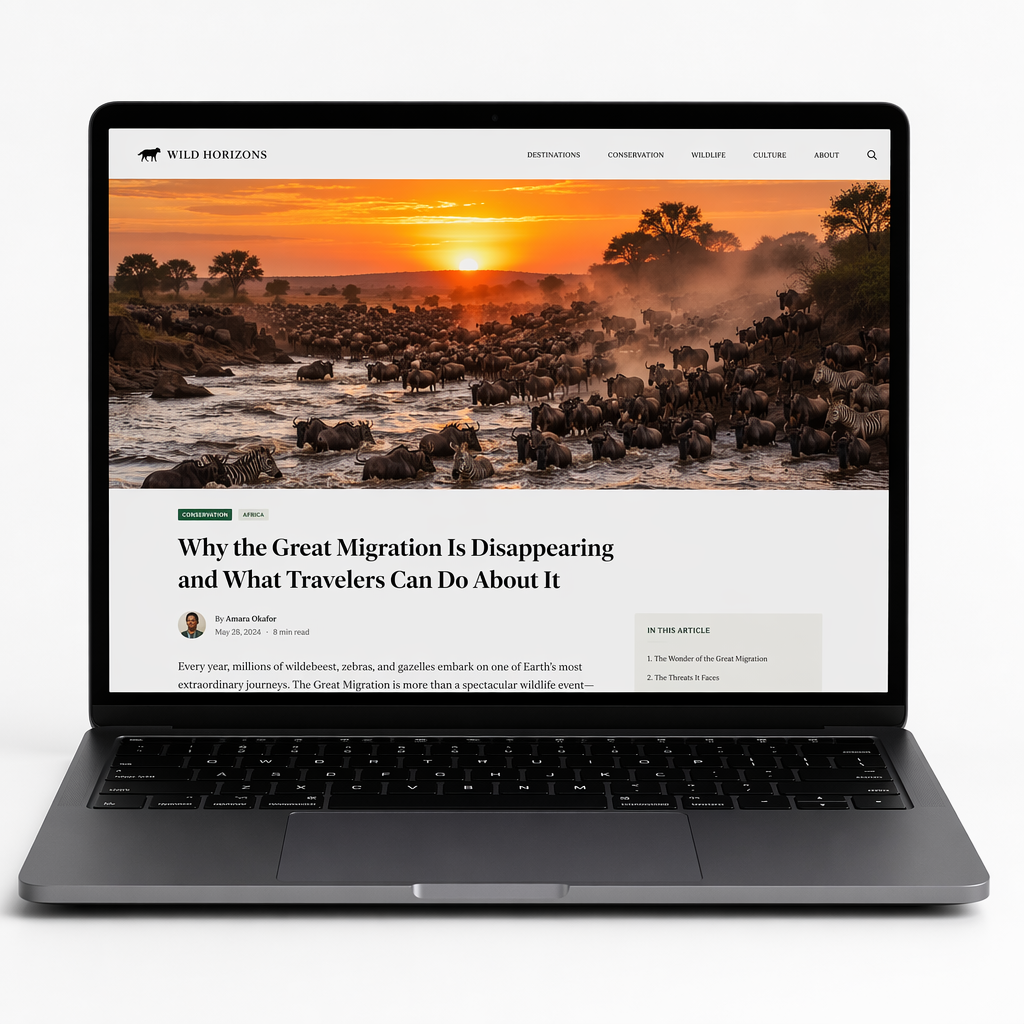
Why the Great Migration Is Disappearing and What Travelers Can Do About It
Picture this: a vast African savannah stretching endlessly under a brilliant blue sky, dotted with acacia trees swaying gently in the warm breeze. Suddenly, the ground begins to rumble, and from the horizon, thousands of wildebeest surge forward, their hooves pounding like a drumbeat of nature. This is not just a scene from a wildlife documentary; it’s the Great Migration Safari, one of the most awe-inspiring natural events on our planet.
But here’s the twist: many people think they can witness this incredible spectacle without proper planning. They think, “I’ll just show up during the summer, and I’ll see it all.” Spoiler alert: it’s not that simple. There’s a lot to know about timing, locations, and what you can expect. Let’s dive in and break this down.
Understanding the Great Migration
The Great Migration is the annual movement of over 1.5 million wildebeest, accompanied by hundreds of thousands of zebras and other animals. This journey spans approximately 1,800 miles across the Serengeti in Tanzania and into the Maasai Mara in Kenya. It’s not just a casual stroll; it’s a quest for survival driven by the search for fresh grazing pastures and water.
What makes this migration particularly fascinating is the sheer scale of it. Imagine standing on the edge of the Serengeti, watching as thousands of animals move in a coordinated dance, all while predators like lions and crocodiles lurk nearby. It’s raw, it’s real, and it’s a reminder of nature’s relentless cycle.
Timing Your Safari for Maximum Impact
The million-dollar question: when should you go? The Great Migration is a year-round phenomenon, but the best time to witness its highlights depends on your interests.
From June to September, the wildebeest and zebras typically make their way to the Maasai Mara for the dry season. This is when you’ll see dramatic river crossings, where animals brave the crocodile-infested waters of the Mara River. The heart-stopping moments of wildebeest leaping into the river, splashing, and trying to reach the other side are what make for unforgettable photographs and memories.
However, if you’re keen on seeing the calving season, which happens around January to February in the southern Serengeti, you’ll be treated to the sight of thousands of newborn calves and the dramatic interaction between mothers and predators. It’s a delicate time, but one that showcases the beauty of life and the struggles for survival.
What to Expect on Your Safari
So, you’ve picked your dates and booked your trip. What now? Expect an adventure filled with breathtaking landscapes and heart-pounding wildlife interactions. Most safaris offer a combination of game drives, where you’ll be in a 4×4 vehicle navigating through the parks, and guided walking safaris, which provide a different perspective.
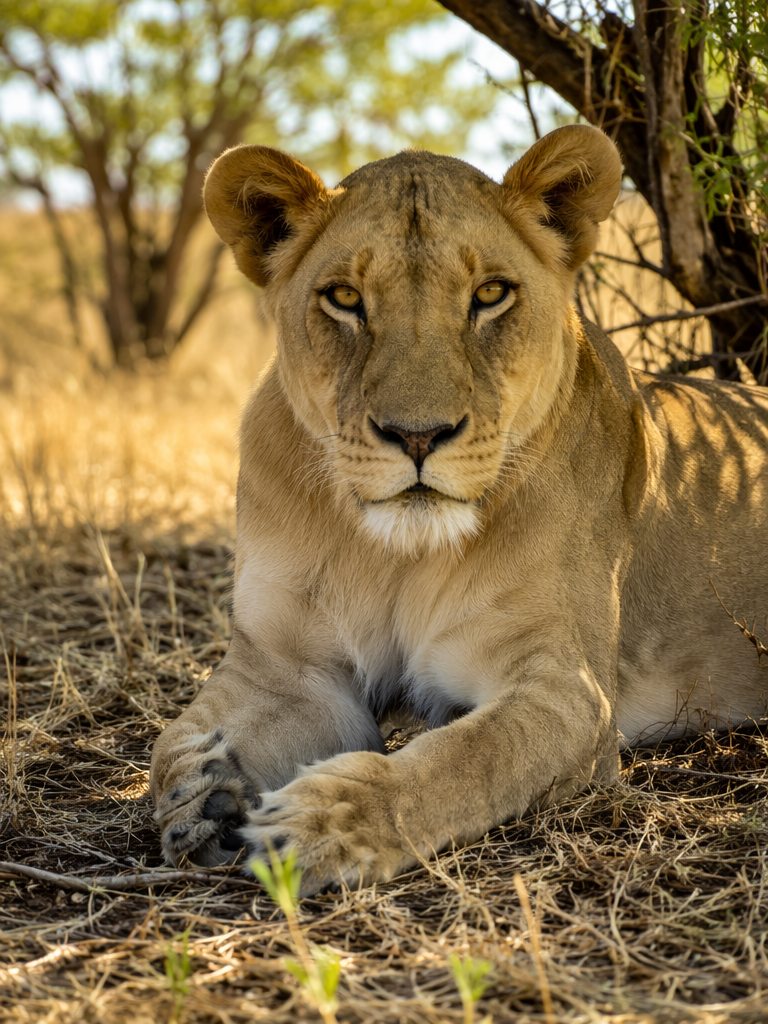
I remember my first safari vividly. The air was crisp, the sun was just rising, and we were in search of a pride of lions. Suddenly, our guide spotted them lounging under a tree, and it felt like we had stumbled upon a hidden treasure. This kind of experience is what makes every safari unique.
Don’t forget your binoculars and a good camera! The wildlife can be far away, and you’ll want to capture every moment. Plus, keep in mind that safaris can be dusty and bumpy, so dress in layers, wear comfortable footwear, and be ready for anything.
Avoiding Common Mistakes
Even seasoned travelers can stumble when it comes to safaris. Here are some common pitfalls to avoid:
- Overpacking: You don’t need a suitcase full of clothes. Lightweight and breathable fabrics are essential, and don’t forget a hat and sunscreen.
- Ignoring Local Guidelines: Respect wildlife and the environment. Always follow your guide’s instructions and maintain a safe distance from the animals.
- Not Planning for Downtime: Safaris can be thrilling, but they can also be exhausting. Schedule some downtime to relax and enjoy the surroundings.
Making the Most of Your Experience
To truly savor the Great Migration Safari, consider these tips:
- Stay Flexible: Wildlife is unpredictable. Sometimes, the best experiences happen when you least expect them.
- Connect with Your Guides: They are the key to understanding the ecosystem. Ask questions and soak in their knowledge.
- Engage with Local Communities: Many safari operators offer opportunities to meet local Maasai tribes. It’s a chance to learn about their culture and traditions.
As I reflect on my own safari experience, what shocked me most wasn’t just the wildlife but the depth of connection one can have with nature and the people who call this land home.
Final Thoughts: Your Safari Awaits
The Great Migration Safari is not just a trip; it’s an experience that changes how you view our planet and its creatures. It’s a reminder of the beauty and brutality of nature, where every moment is fleeting and precious. Whether you’re a seasoned traveler or a first-time adventurer, this is one journey that deserves a spot on your bucket list. So, pack your bags, bring your curiosity, and get ready for an adventure of a lifetime.
Across the African plains, the story unfolds, and your chapter awaits to be written in the heart of the wild.