
Wildlife Photography for Beginners — Capturing the Safari of Your Dreams
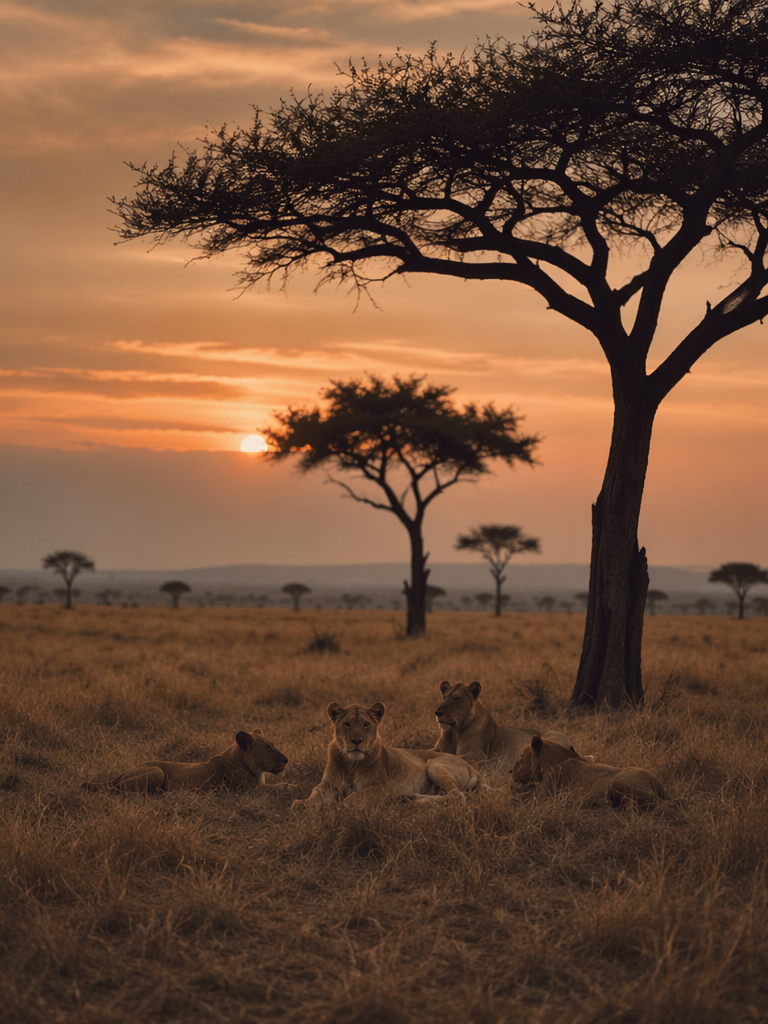
Picture this: you’re standing in the heart of the African savanna, the sun dipping low on the horizon, casting a golden glow across the landscape. Suddenly, a pride of lions emerges from the tall grass, their manes catching the last rays of light. You reach for your camera, pulse racing—this is the moment you’ve dreamed of. But wait, are you truly ready to capture it?
Many aspiring wildlife photographers assume that all you need is a decent camera to get great shots on safari. However, it’s more complex than that. From understanding animal behavior to mastering your camera settings, there’s a lot to consider. Let’s dive into the essentials of safari photography so you can be prepared for your next adventure.
Myth-Busting: What Safari Photography Isn’t
First off, let’s dispel a few myths. Safari photography isn’t just about big lenses and expensive gear. Yes, having a good camera can help, but it’s not the be-all and end-all. I’ve seen stunning shots captured with simple point-and-shoot cameras. The real magic lies in your understanding of light, composition, and animal behavior.
Another common misconception is that you can only get great photos in the early morning or late afternoon. While these are indeed the golden hours for photography, remarkable images can be taken at other times too. The key is knowing how to adapt to the changing light and conditions.
Expert Guide: Essential Tips for Safari Photography
Now that we’ve cleared the air, let’s get into the nitty-gritty of what really makes a safari photograph shine.
- Know Your Subject: Spend time observing animals before snapping away. Understanding their behavior can lead to more compelling images. For example, if you notice a lioness grooming her cubs, it’s a scene that tells a story.
- Use the Right Gear: While you don’t need the latest model, a DSLR or mirrorless camera with a zoom lens (200mm or longer) is ideal. A tripod or monopod can also be beneficial for stability.
- Master Camera Settings: Familiarize yourself with your camera before you go. Use burst mode for fast-moving subjects and adjust your aperture and shutter speed based on the light conditions. I often shoot in aperture priority mode, allowing me to focus on composition while the camera adjusts exposure.
- Focus on Composition: Use the rule of thirds to create more dynamic images. Position your subject off-center to draw the viewer’s eye into the frame.
- Be Patient: Wildlife photography often requires a lot of waiting. Don’t rush the shot; sometimes the best images come from simply being still and observing.
Avoiding Common Mistakes
Even experienced photographers can fall into traps that undermine their safari shots. Here are a few pitfalls to watch out for:
- Overexposing Highlights: Bright sunlight can cause highlights to blow out. Always check your histogram and adjust exposure compensation if necessary.
- Neglecting Backgrounds: A busy or distracting background can ruin an otherwise great shot. Always be aware of what’s behind your subject.
- Ignoring the Weather: Weather can change rapidly in the wild. Be prepared for rain or overcast skies; these conditions can create dramatic effects if you know how to use them.
Best Practices for Wildlife Encounters
When you encounter wildlife, there are a few best practices to keep in mind to ensure a safe and respectful experience:
- Stay in Your Vehicle: Many parks and reserves require you to remain in your vehicle. This not only protects you but also minimizes stress on the animals.
- Respect Wildlife: Keep a safe distance. Use your zoom lens to get close-up shots without disturbing the animals.
- Follow Park Rules: Each reserve has its own guidelines. Familiarize yourself with them to ensure a safe and enjoyable experience for both you and the wildlife.
Final Thoughts: Preparing for Your Safari Adventure
As you gear up for your safari, keep these insights in mind. The essence of great safari photography lies in the connection you make with your subjects, the environment, and your camera. Practice as much as you can before your trip, and don’t hesitate to experiment with different techniques.
Remember, every safari is unique, filled with its own surprises and challenges. Embrace the adventure, and let your passion for wildlife guide you. With patience and practice, you’ll not only capture stunning images but also create memories that last a lifetime.
So, next time you find yourself amidst the wild, take a deep breath, and remember: it’s not just about the picture; it’s about the experience.
Happy shooting!

