The Golden Hour in Africa — Why Safari Photographers Wake Up at 4:30 AM
Imagine standing under the vast African sky, the sun dipping below the horizon, painting everything in shades of orange and purple. A herd of elephants ambles across a dusty plain, their silhouettes majestic against the fading light. In that moment, you raise your camera, heart racing, ready to capture the beauty of the wild. But wait—how do you ensure that this moment translates perfectly into a photograph? That’s where a solid safari photography guide comes into play.
Safari photography isn’t just about having the right gear; it’s about understanding the environment, anticipating animal behavior, and mastering your technical skills. In this guide, I’ll share insights from my own adventures in the wild, helping you to ensure that your safari experience is not only unforgettable but also beautifully documented.
The Real Situation: The Challenge of Safari Photography
Picture this: you’re on a game drive, and suddenly a lion appears. Your heart races. But as you fumble to adjust your camera settings, the moment slips away. This is an all-too-common scenario. Wildlife photography is unpredictable, and the chance to capture stunning images can vanish in an instant. Understanding the unique challenges of safari photography is crucial for success.
In-Depth Analysis: The Essentials of Safari Photography
Before you embark on your safari adventure, it’s vital to equip yourself with both knowledge and gear. Here are the core components you need to consider:
- Camera Gear: While professional gear can elevate your shots, it’s not always necessary. A DSLR or mirrorless camera with a good zoom lens (200mm or longer) will do wonders. I’ve found that my 70-200mm lens strikes a perfect balance—light enough to carry and powerful enough to get close to wildlife.
- Understanding Animal Behavior: Knowing when and where to find animals can significantly improve your chances of capturing incredible images. Lions are more active during dawn and dusk, while elephants might be found near waterholes during the heat of the day. Researching the animals you want to photograph can turn a regular outing into an extraordinary one.
- Technical Skills: Mastering your camera settings is key. I often shoot in aperture priority mode, allowing me to control depth of field, which is crucial for isolating subjects. Practice adjusting ISO, shutter speed, and aperture before your trip to ensure you’re comfortable when that perfect shot presents itself.
Real Examples: Learning from My Own Safari Experiences
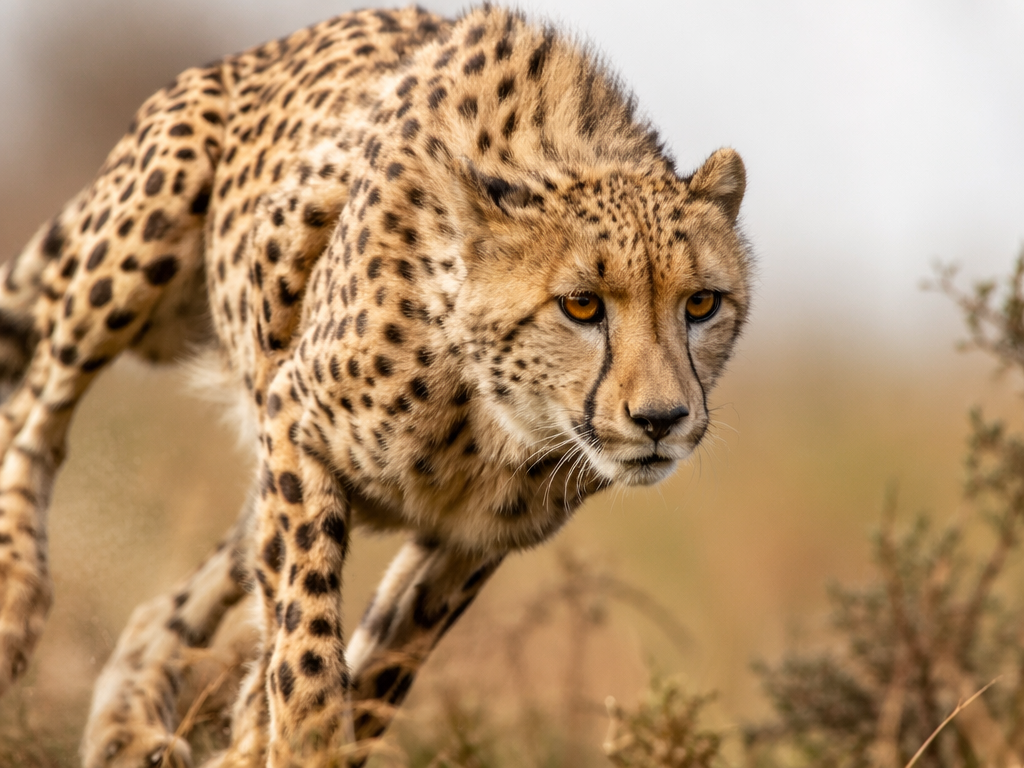
During my last safari in Tanzania, I encountered a situation that tested my skills. We were lucky enough to find a cheetah preparing to hunt. I quickly set my camera to a faster shutter speed to freeze the motion. The anticipation built as the cheetah stalked its prey. I captured a series of images, each one telling a part of the story—from the tense moment of stillness to the burst of speed. This experience taught me that being prepared and adaptable is vital.
Another memorable moment occurred when I was photographing a pride of lions. They were lounging lazily under a tree. Instead of taking the typical shots from afar, I decided to get low and shoot at their eye level, which added depth to the images. It’s often those creative angles that make your photographs stand out.
Honest Assessment: The Trade-Offs of Safari Photography
Safari photography is filled with challenges and trade-offs. Yes, you want to capture breathtaking images, but it often requires patience and compromise. Long hours in the vehicle can be exhausting, and the elements can be tough—dust, heat, and unpredictable weather are constants. Sometimes, despite your best efforts, the animals don’t cooperate. You may end up with days of missed opportunities.
Moreover, there’s the ethical consideration of wildlife photography. Always prioritize the well-being of the animals over getting the shot. Respect their space, and don’t pursue them aggressively. This not only ensures safety but also fosters a respectful relationship with nature.
Bottom Line: Your Next Steps for Successful Safari Photography
As you prepare for your safari, keep these tips in mind: research the locations, understand your gear, and practice your skills. Remember, the best photographs are often the result of patience and passion rather than merely technical proficiency.
Your safari experience is one of a kind, and each moment holds the potential for great photography. So, embrace the adventure, be ready for the unexpected, and let your passion for wildlife shine through your lens. With the right preparation and mindset, you’ll come back with not just memories but images that tell a powerful story—one that reflects the beauty and wildness of the world around us.
With these insights, you’re now better equipped to take on your safari photography adventure. May your lens capture the heart of the wild!