Rhino Conservation Success Stories — And Why Your Safari Matters
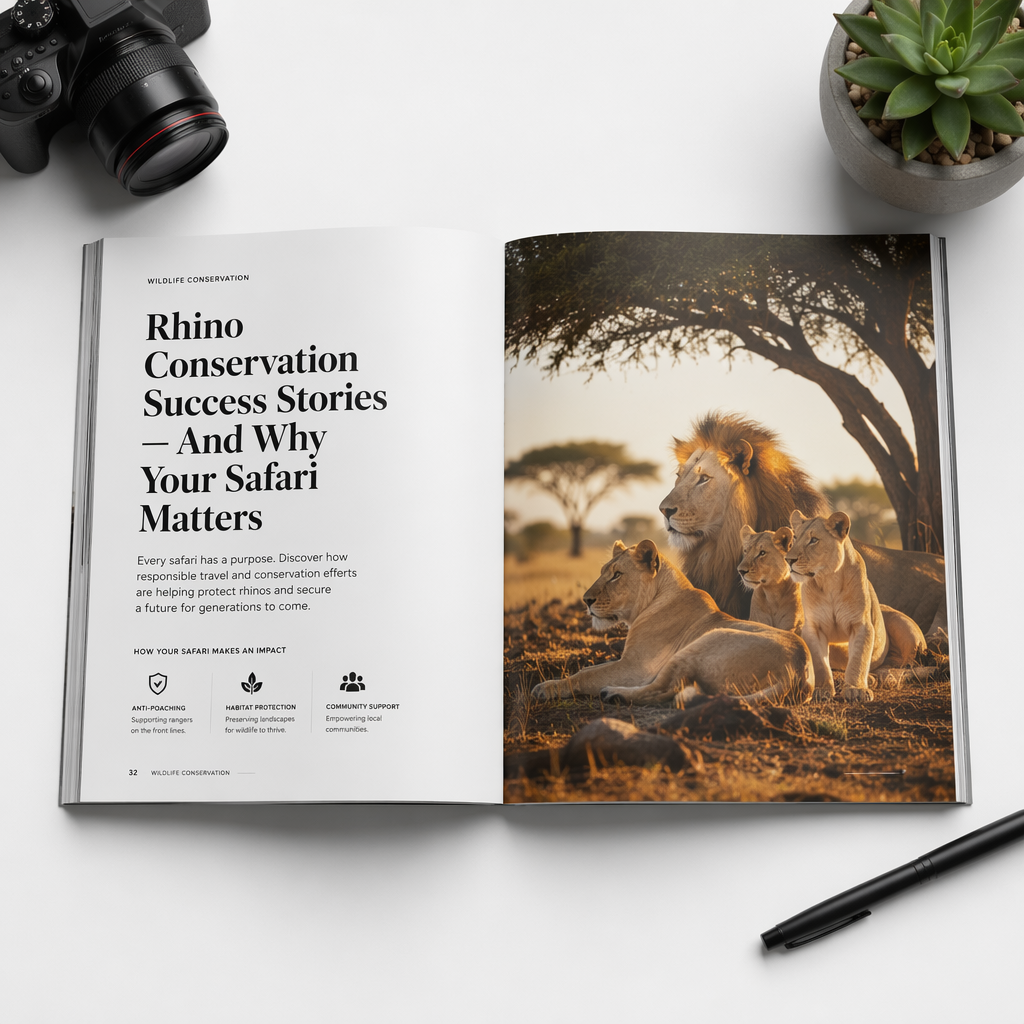
Picture this: you’re nestled in an open-air safari vehicle, the warm African sun warming your skin as you navigate through a sprawling savanna. Suddenly, you spot a majestic lion lounging beneath a lone acacia tree, effortlessly commanding the landscape. This is the magic of a Big Five safari experience—an adventure that’s a ticket to the wild heart of Africa.
For many, witnessing the Big Five—lion, leopard, elephant, buffalo, and rhinoceros—in their natural habitat is a bucket-list dream. But it’s not just about checking off animals on a list; it’s about immersing yourself in a breathtaking ecosystem. So, let’s dive into what makes a Big Five safari the ultimate wildlife experience!
What Is the Big Five?
The term “Big Five” was coined by big-game hunters to describe the five most difficult animals to hunt on foot. Thankfully, today, the focus is on conservation and responsible wildlife viewing. Here’s a quick rundown of the Big Five:
- Lion: Often called the king of the jungle, these social cats live in prides and are a symbol of strength and courage.
- Leopard: The elusive and solitary leopard is known for its beautiful spotted coat and incredible climbing skills.
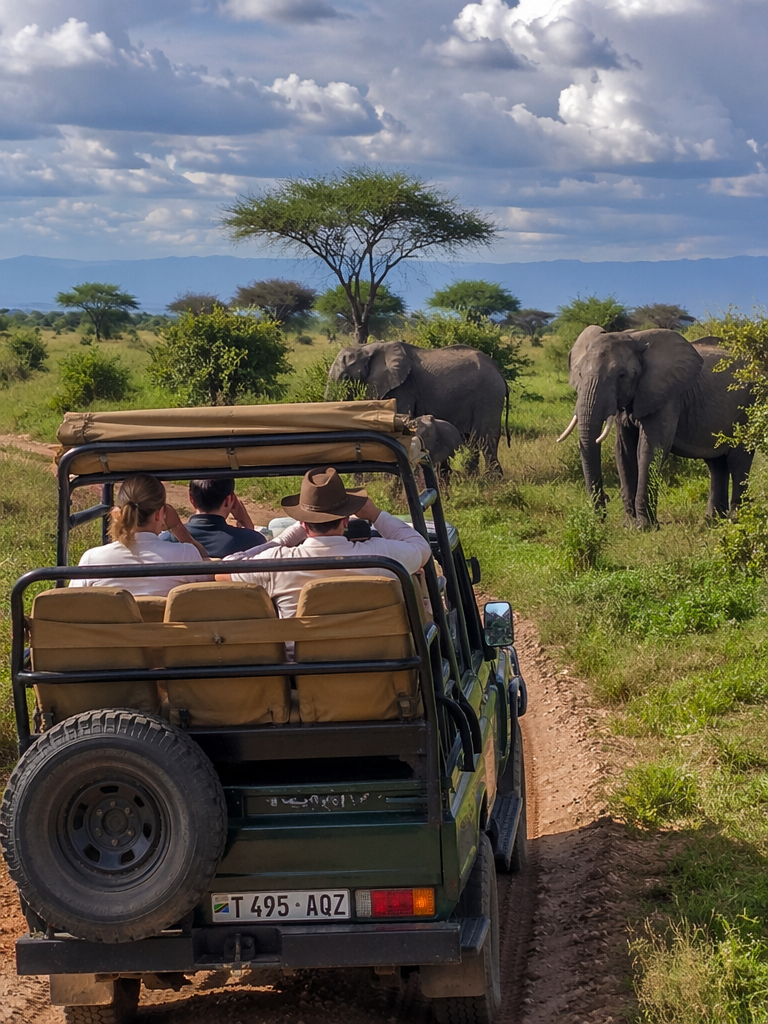
- Elephant: These gentle giants are the largest land animals and are known for their intelligence, complex social structures, and emotional depth.
- Buffalo: African buffalo are formidable creatures with large horns and a strong herd mentality, making them fascinating to observe.
- Rhinoceros: With their thick skin and impressive horns, rhinos are a symbol of conservation efforts, as they face significant threats from poaching.
Choosing the Right Safari Destination
Now that you know what the Big Five are, let’s talk about where you can find them. Not all safari parks are created equal, and some offer better opportunities to see these magnificent creatures. Here are a few top destinations:
1. Kruger National Park, South Africa
Kruger is one of Africa’s largest game reserves and boasts a remarkable diversity of wildlife. With a variety of ecosystems, it’s a prime spot for spotting the Big Five. Plus, the park is well-equipped for visitors with numerous camps and lodges.
2. Maasai Mara, Kenya
Famous for the Great Migration, the Maasai Mara is also a fantastic location for Big Five sightings. Witnessing the vast herds of wildebeest and zebra being followed by predators is an exhilarating experience.
3. Serengeti National Park, Tanzania
The Serengeti is renowned for its wildlife and is where the Great Migration occurs. The vast plains make it easier to spot lions, leopards, and elephants in their natural habitat.
4. Chobe National Park, Botswana
Known for its large elephant population, Chobe offers unique river safaris that allow you to see wildlife from the water. It’s a different perspective that can lead to incredible photo opportunities.
What to Expect on Your Safari
Now that you know where to go, let’s address the burning question: what can you expect during your safari experience? Here’s a sneak peek into the typical safari day:
- Early Mornings: Safaris often start at sunrise, when animals are most active. Early morning light provides stunning photography opportunities!
- Game Drives: You’ll spend your days on guided game drives, often with an experienced ranger who can share fascinating insights about the wildlife and ecosystem.
- Tracking Animals: Expect to spend time tracking animals. The thrill of finding a lion or a leopard after a careful search is exhilarating!
- Evening Safaris: Some parks offer night drives, where you can encounter nocturnal wildlife, adding an entirely new dimension to your adventure.
Tips for a Successful Safari
Before you dash off into the wild, here are some tips to ensure your safari is as rewarding as possible:
- Pack Smart: Bring binoculars, a good camera, sunscreen, insect repellent, and comfortable clothing. Layers are key as temperatures can fluctuate throughout the day.
- Stay Quiet: Animals are often skittish, so keep noise to a minimum. Observing quietly can lead to unforgettable encounters.
- Choose Responsible Tours: Look for tour operators that prioritize conservation and ethical wildlife viewing practices.
What’s the Trade-Off?
While a Big Five safari is undoubtedly an extraordinary experience, it doesn’t come without its trade-offs. Here are a few things to keep in mind:
- Cost: Safaris can be pricey, especially in popular regions, so it’s essential to budget accordingly.
- Travel Time: Depending on your location, getting to these remote areas may require a lot of travel time, including flights and long drives.
- Comfort Levels: Be prepared for bumpy rides and limited facilities in some parks, especially if you opt for a more rustic experience.
Your Next Adventure Awaits!
Ultimately, a Big Five safari is more than just a trip; it’s a chance to connect with nature and witness the incredible beauty of wildlife in its truest form. Whether you’re a seasoned traveler or planning your first adventure, this experience will leave you with memories that last a lifetime. So, gather your gear, do your research, and get ready to embark on an awe-inspiring journey into the heart of Africa!