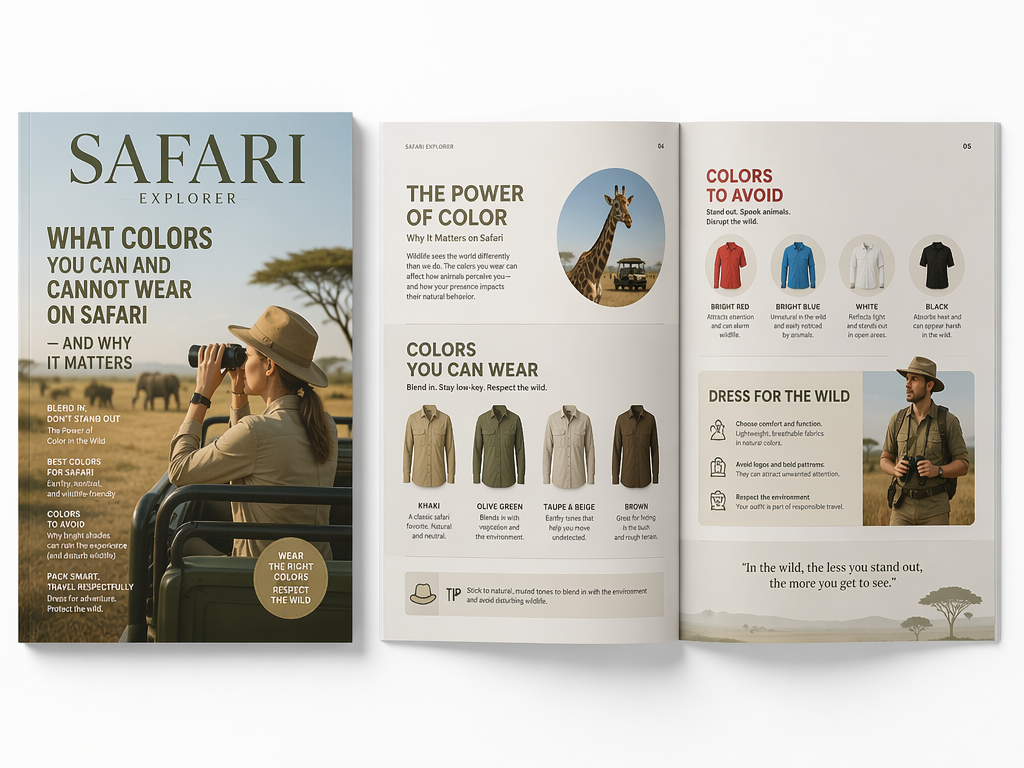
What Colors You Can and Cannot Wear on Safari — And Why It Matters
Imagine this: you’re standing on the edge of the savanna, the golden sun dipping low on the horizon, casting long shadows over the landscape. A herd of elephants ambles by, and you can hear the distant roar of a lion. You’re on safari, and the excitement is palpable. But wait! Did you pack everything you need for this once-in-a-lifetime adventure?
Packing for a safari isn’t just about tossing some clothes into a suitcase. It’s about preparing for a unique experience that requires thoughtful consideration. I learned this the hard way during my first safari—let’s just say I spent a day sweating in the wrong clothes and regretting the lack of sunscreen. So, let’s dive into some essential safari packing tips that will ensure you’re not just prepared but ready to enjoy every moment.
Understand Your Safari Type
Before you even think about what to pack, it’s crucial to understand the type of safari you’re going on. Are you planning a luxury lodge experience, a mobile camping safari, or a self-drive adventure? Each type requires different gear and clothing. For instance, if you’re staying in a luxury lodge, you might not need to pack as heavily for camping gear, but you’ll want to bring some stylish yet comfortable outfits for the evenings.
Know the Climate
Safari destinations vary significantly in climate. Some areas can be blistering hot during the day but surprisingly cold at night. Understanding the climate where you’ll be heading will help you pack appropriately. I vividly remember my first night in the Serengeti—I was freezing! Here’s a quick breakdown:
- Daytime: Lightweight, breathable clothing is essential. Think moisture-wicking fabrics that keep you cool.
- Evening: A warm fleece or jacket is crucial. Temperatures can drop significantly, especially in the desert regions.
- Rainy Season: If you’re traveling during this time, a waterproof jacket and quick-dry clothing are must-haves.
Clothing Essentials
When it comes to clothing for a safari, think layers, comfort, and practicality. Here are the staples you shouldn’t leave home without:
- Neutral Colors: Choose earthy tones like khaki, green, and brown. Bright colors can scare away wildlife and attract unwanted attention from insects.
- Lightweight Pants: Opt for long pants to protect against sunburn and insect bites. Convertible pants that zip off into shorts are a great space-saver!
- Comfortable Footwear: A pair of sturdy walking shoes or hiking boots is a must. You’ll likely be doing a lot of walking, and comfort is key.
- Wide-Brimmed Hat: Protect your face from the sun with a good quality hat. A hat with a neck flap can add extra protection.
Gear and Gadgets
Now that your clothing is sorted, let’s talk about the gear that will enhance your safari experience. Here’s what I found indispensable:
- Binoculars: A quality pair of binoculars can make a world of difference. You’ll want to spot animals from a distance without disturbing them. Aim for at least 8x magnification.
- Camera: Capture those breathtaking moments! A DSLR or mirrorless camera with a zoom lens is fantastic, but don’t forget extra batteries and memory cards.
- Daypack: A lightweight backpack is useful for carrying your essentials during daily excursions. Pack water, snacks, and your binoculars.
Health and Safety
Your health and safety are paramount when traveling in Africa. Here’s a checklist of health-related items to consider:
- Insect Repellent: Mosquitoes can carry diseases like malaria, so a strong insect repellent is essential. Look for one with at least 20% DEET.
- Sunscreen: A high SPF sunscreen will protect your skin from the harsh African sun. Reapply often, especially after sweating.
- Medications: Bring any personal medications, plus a basic first-aid kit with band-aids, antiseptic wipes, and pain relievers.
Trade-offs and What to Leave Behind
Now that you know what to bring, let’s talk about what you might consider leaving behind. I once overpacked and regretted it. Here are some common items that can weigh you down:
- Heavy Clothing: Leave those bulky sweaters and jeans at home. Opt for lightweight, quick-dry options instead.
- Excessive Jewelry: Leave valuable jewelry behind. It’s best to travel light and minimize the risk of loss.
- Too Many Shoes: One good pair of walking shoes and some sandals should suffice. You won’t need five pairs of shoes!
Final Thoughts on Your Safari Packing Plan
With these packing tips in hand, you’re well on your way to an unforgettable safari experience. The key is to balance between being prepared and not overpacking. Make a checklist, double-check your essentials, and be ready for spontaneous adventures! Remember, the safari is as much about the journey as it is about the destination. Now go out there and create some incredible memories!
As you finalize your packing, take a moment to embrace the excitement of what lies ahead. A safari is not just a trip; it’s a journey into the heart of nature. Happy travels!