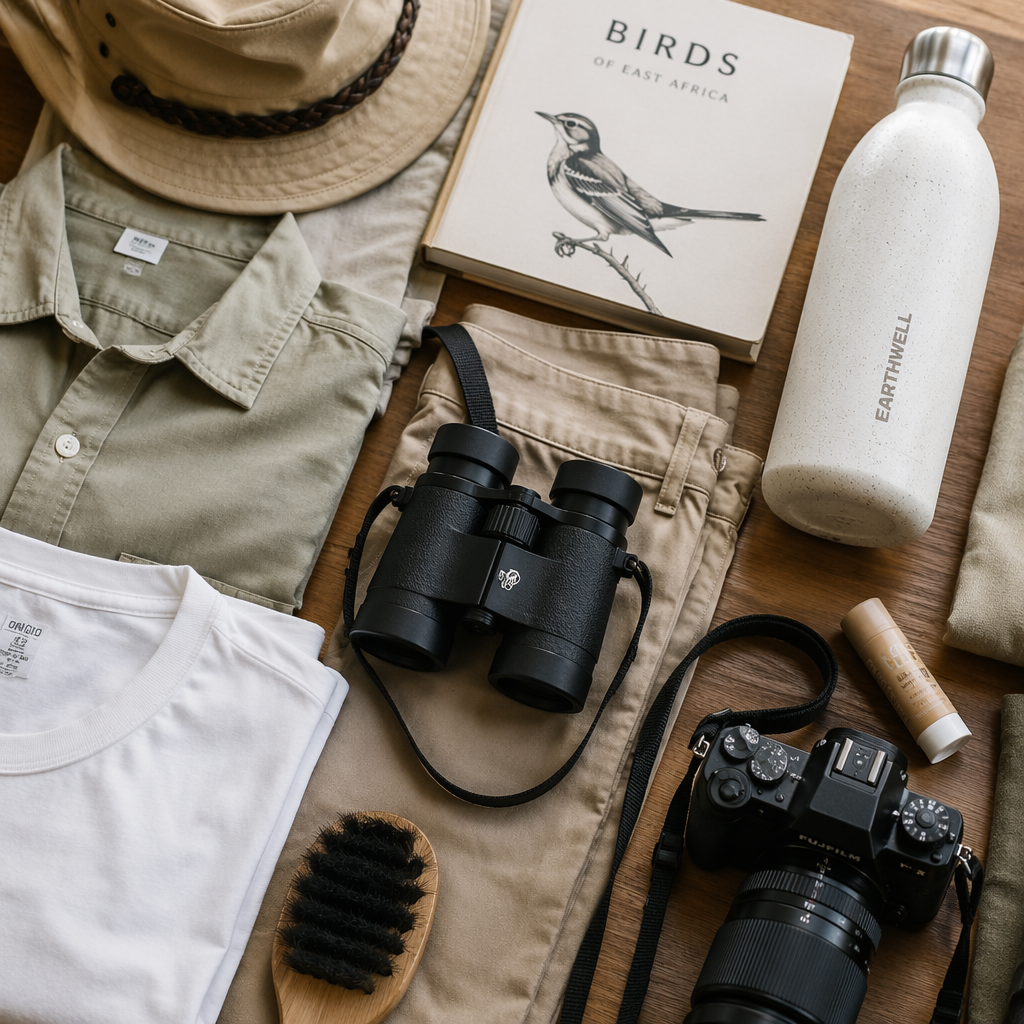
The Things No Safari Guide Tells You to Pack (But Absolutely Should)
Imagine standing on the edge of the Serengeti, the golden grasslands stretching endlessly before you, while a herd of elephants meanders through the acacia trees. The air is thick with the scent of earth and wildlife, and every sound feels alive. Now, picture yourself unprepared—sweating in the heat with inadequate gear. That’s a nightmare scenario for any safari enthusiast.
Packing for a safari isn’t just about throwing clothes into a suitcase. It’s about strategically selecting items that will enhance your experience while keeping you comfortable and safe. Let’s dive into some essential safari packing tips, so you can focus on the adventure instead of fretting over forgotten essentials.
Understanding the Safari Environment
Before we talk about what to pack, it’s crucial to understand the environment you’ll be exploring. Safaris often take you through diverse terrains—from open savannahs to dense jungles and even arid deserts. The climate can range from scorching during the day to surprisingly chilly at night. This means your packing list must cater to both extremes.
What surprised me during my first safari was how quickly the weather could change. One moment I was basking in the sun, and the next, I was shivering under a blanket during a night drive. Understanding this variability is key to your packing strategy.
Clothing Essentials
Let’s start with clothing, which is perhaps the most critical aspect of your packing list. Here are some must-haves:
- Lightweight, Breathable Fabrics: Opt for moisture-wicking fabrics that keep you cool and dry. Cotton can trap moisture, so consider materials like merino wool or synthetic blends.
- Layering Options: Pack a mix of short and long-sleeve shirts. A lightweight long-sleeve shirt can protect your arms from sunburn and insect bites.
- Neutral Colors: Bright colors can attract unwanted attention from wildlife. Earthy tones like khaki, olive, and brown are best.
- Comfortable Pants: Convertible pants that zip off into shorts are versatile and practical.
- Sturdy Footwear: Comfortable walking shoes or boots are essential. Make sure they’re broken in to avoid blisters.
- Warm Layer: A lightweight fleece or jacket is crucial for the cooler evenings.
- Hat and Sunglasses: Protect yourself from the sun with a wide-brimmed hat and UV-protection sunglasses.
During my last trip, I learned the hard way that forgetting a warm layer can lead to an uncomfortable night around the campfire. Don’t make the same mistake!
Gear and Accessories
Clothing aside, your gear can make or break your safari experience. Here’s a rundown of essential items:
- Binoculars: A good pair of binoculars is invaluable for spotting wildlife from a distance. Aim for something lightweight with a decent magnification.
- Camera: Whether it’s a DSLR or a smartphone, capturing your memories is a must. Bring extra batteries and memory cards.
- Daypack: A small backpack is perfect for carrying your essentials during daily excursions.
- Water Bottle: Hydration is key. Invest in a reusable water bottle to stay refreshed.
- Insect Repellent: Mosquitoes and other insects can be bothersome. A good repellent can save you from uncomfortable bites.
- Sunscreen: High SPF sunscreen is essential to protect your skin from harsh UV rays.
- First Aid Kit: Include basic supplies like band-aids, antiseptic wipes, and any personal medications.
On one safari, I forgot to pack insect repellent and ended up with a collection of bites that made the trip less enjoyable. Trust me, you don’t want to be distracted by itching when you’re trying to enjoy the view.
Personal Items and Comfort
Beyond the basics, consider packing some personal items that can enhance your comfort:
- Travel Pillow: A small, packable pillow can make long drives more comfortable.
- Wet Wipes: These can be a lifesaver in remote areas where water isn’t readily available.
- Snacks: Granola bars or trail mix can provide a quick energy boost during long days.
- Journal: Document your experiences and reflections. It’s a great way to remember your adventure.
During my last safari, I kept a journal, and it quickly became a treasured keepsake. I still look back at the entries and relive those moments.
Final Thoughts
Packing for a safari can feel overwhelming, but with thoughtful preparation, you can avoid the common pitfalls and focus on enjoying the journey. Remember, the goal is to be comfortable and prepared for the unexpected. As you pack your bags, think about your comfort, the environment, and the experiences you hope to gain.
In the end, a well-packed bag can mean the difference between a stressful trip and an unforgettable adventure. Embrace the wild, and get ready to create memories that will last a lifetime.