Great Migration by Air, Land, or Balloon — Which Safari Experience Wins?
Picture this: the sun is just beginning to rise over the vast Serengeti plains, casting a warm golden light that dances across the landscape. You can hear the distant rumble of hooves, the rustle of grass, and the occasional call of wildlife awakening to a new day. This is the scene I found myself in during my first Great Migration Safari, a journey that would become one of the most transformative experiences of my life.
The Great Migration is not just a spectacular event in the animal kingdom; it’s a profound testament to nature’s rhythms, resilience, and the interconnectedness of life. Each year, millions of wildebeest, zebras, and other animals embark on a perilous journey across the Serengeti in Tanzania and into the Maasai Mara in Kenya, following the rains in search of fresh grazing grounds. It’s a majestic dance of survival that has captivated adventurers and nature lovers alike.
The Real Situation: What is the Great Migration?
The Great Migration Safari is a wildlife spectacle like no other. Imagine over 1.5 million wildebeest, accompanied by hundreds of thousands of zebras and gazelles, traversing the African savannah. This journey is not just a sight to behold; it’s a complex migration triggered by the seasonal rains, which dictate the availability of grass and water. But it’s also fraught with danger. Predators like lions and crocodiles lurk, waiting for the perfect moment to strike.
When I first learned about the Great Migration, I was both fascinated and intimidated. How does one navigate the vastness of the Serengeti? Where do you even begin? And what if you miss the action? These questions swirled in my mind as I prepared for my adventure.
In-Depth Analysis: Timing Your Safari
Timing is everything when it comes to experiencing the Great Migration. The migration typically follows a pattern, starting from the southern Serengeti, where wildebeest calve between January and March. Then, they move north towards the Maasai Mara from July to October, culminating in the dramatic river crossings. This is when the migration reaches its peak, and witnessing the wildebeest plunge into the crocodile-infested waters is a sight that will leave you breathless.
During my visit in August, I was fortunate enough to witness one of these crossings. The tension in the air was palpable as herds gathered at the riverbank, hesitating before taking the plunge. It was a powerful reminder of the instinctual drive for survival that these animals embody.
Real Examples: The Safari Experience
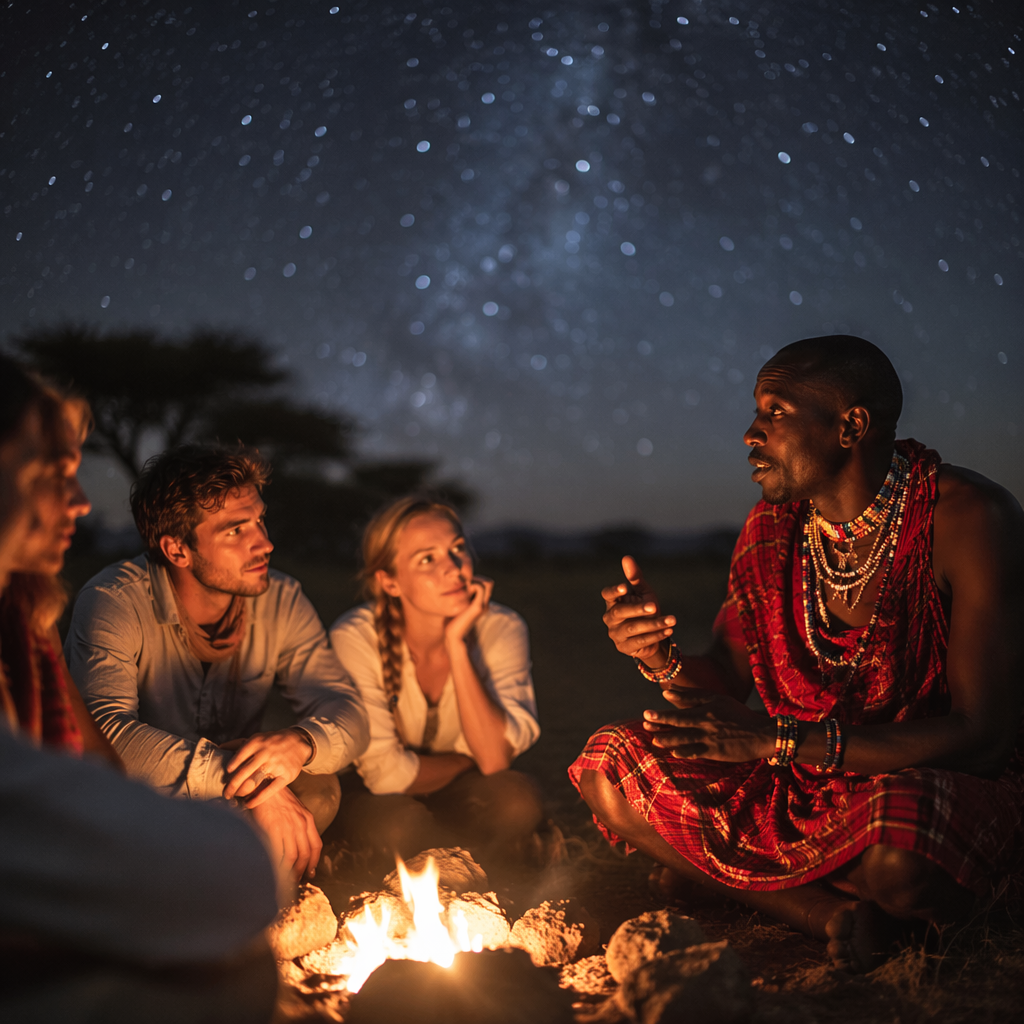
Every safari is unique, and the experience can vary widely depending on the time of year, location, and even the guide. I remember one particular evening in the Serengeti, where my guide, a local Maasai, shared stories of his ancestors and their connection to the land. It was more than just a safari; it was an immersion into a culture deeply intertwined with nature.
From sunrise game drives to sunset cocktails, each moment was carefully curated to maximize our experience. We spotted prides of lions lounging in the shade, elephants roaming majestically, and even a cheetah sprinting across the plains in pursuit of its prey. Every sighting felt like a gift, a fleeting moment in the grand tapestry of life.
Honest Assessment: The Challenges of Safari
Of course, not everything about the Great Migration Safari is picture-perfect. The reality of safari travel can be challenging. Long hours in a vehicle can lead to fatigue, and the unpredictability of wildlife means that sightings are never guaranteed. There were instances when we drove for hours without seeing much beyond the horizon.
Moreover, the environmental impact of mass tourism cannot be ignored. The Serengeti is a fragile ecosystem, and as travelers, we must be mindful of our footprint. Supporting eco-friendly lodges and respecting wildlife regulations are crucial steps in preserving this natural wonder for future generations.
Bottom Line: Preparing for Your Great Migration Safari
So, how do you prepare for your own Great Migration Safari? First, do your research. There are numerous tour operators, each offering different experiences. Look for those with strong conservation ethics and local partnerships. I found that small group tours often provide a more intimate experience, allowing for better wildlife interactions.
Next, pack wisely. Bring layers for unpredictable weather, a good pair of binoculars, and a camera with a zoom lens to capture those once-in-a-lifetime moments. And don’t forget your sense of adventure and curiosity; they’ll serve you well along the journey.
Ultimately, a Great Migration Safari is more than just a trip; it’s an opportunity to reconnect with nature and witness one of the greatest spectacles on earth. As you watch the herds move across the plains, you’ll find yourself reflecting on the beauty and fragility of life, and perhaps even your own place within it.
Are you ready to embark on this incredible journey? The wildebeest are waiting.
As you plan your adventure, remember that some of the most profound experiences come from the unexpected moments. Whether it’s the thrill of spotting a lion in the distance or the quiet stillness of a starry night in the savannah, each moment contributes to the unique tapestry of your safari.