
The Great Migration: Nature’s Most Dramatic Wildlife Show on Earth
Imagine standing on the edge of the Serengeti, the air thick with anticipation, as thousands of wildebeests pour across the plains like a living river. This isn’t just a scene from a documentary; it’s a front-row seat to one of nature’s most awe-inspiring events: the Great Migration. Every year, millions of animals embark on a perilous journey across the African savannah, driven by age-old instincts and the cycle of life.
For many wildlife enthusiasts, experiencing the Great Migration Safari is a bucket-list adventure. But what does this journey entail? What should you know before you pack your bags? Let’s dive into the fascinating world of the Great Migration and uncover the secrets to making the most of your safari experience.
Myth-Busting the Great Migration
One common myth about the Great Migration is that it’s simply a large group of animals wandering aimlessly. In reality, this magnificent spectacle is a carefully orchestrated movement, driven by the search for food and water. The wildebeests, zebras, and various antelope species travel over 1,000 miles each year, following the seasonal rains that bring lush grasses to the plains.
Another misconception is that the migration only happens during a specific month. While there are peak times to witness certain stages, the migration is a year-round phenomenon. Want to see the dramatic river crossings? Plan your trip between July and September. Prefer to witness the calving season? Head to Tanzania in January or February when thousands of calves are born amidst the protection of the herds.
Your Expert Guide to the Great Migration Safari
When planning a Great Migration Safari, it’s essential to do your homework. Here’s what you need to know:
- Choose the Right Time: As mentioned earlier, timing is crucial. The migration follows a predictable pattern, but weather changes can impact the timing. Consult with local guides or tour operators who can offer insights based on recent conditions.
- Select Your Safari Style: From luxury lodges to budget camping, the style of safari you choose will influence your experience. If you want to be close to the action, a mobile tented camp that follows the herds can be an exciting option. Alternatively, if comfort is a priority, consider a lodge with all the amenities.
- Hire a Knowledgeable Guide: A good guide can make all the difference. They not only know the best spots to view wildlife but can also share fascinating insights about animal behavior, migration patterns, and the ecosystem.
Avoiding Common Mistakes
Even seasoned travelers can stumble when planning a safari. Here are a few pitfalls to watch out for:
- Overpacking: Safari lodges often have weight limits for luggage, so pack light. Opt for quick-dry clothing, a hat, and good binoculars instead of your entire wardrobe.
- Ignoring Health Precautions: Check with your doctor about vaccinations and malaria prophylaxis before you go. Staying healthy is vital for enjoying your adventure.
- Neglecting to Respect Wildlife: Always remember, you’re a guest in their home. Follow your guide’s instructions, keep a safe distance, and never feed the animals.
Best Locations for Viewing the Migration
Not all spots are created equal when it comes to witnessing the Great Migration. Here are some of the top locations to consider:
- Serengeti National Park: The epicenter of the migration, with vast open plains and abundant wildlife. The river crossings at the Mara River are particularly thrilling.
- Ngorongoro Crater: While not directly on the migration path, the crater is home to a variety of wildlife and can be a great addition to your itinerary.
- Masai Mara National Reserve: Located in Kenya, this reserve is the final destination for many animals, making it an ideal spot for watching the dramatic river crossings.
Final Thoughts: Embrace the Adventure
Experiencing the Great Migration Safari is more than just observing animals; it’s about immersing yourself in the rhythms of nature. You’ll witness the struggles and triumphs of wildlife in their natural habitat, and that connection can be profoundly moving. So, as you plan your journey, remember to keep an open heart and mind. Nature has a way of teaching us, if we’re willing to listen.
And who knows? You might just find that the true essence of the Great Migration isn’t just about the wildebeests and zebras, but the shared experience of wonder, excitement, and the beauty of life itself.
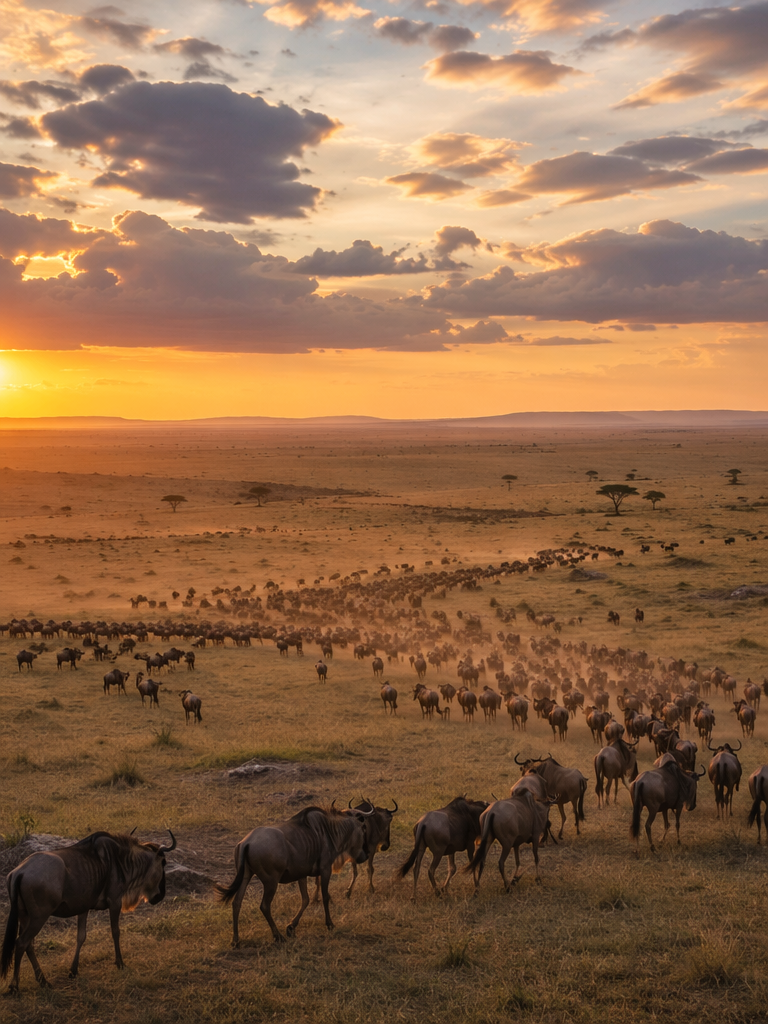
As you embark on this journey, remember that the Great Migration is a reminder of the resilience of life on Earth. Each year, it unfolds a story of survival, community, and the cycle of nature. So grab your camera, pack your sense of adventure, and get ready to witness one of the most incredible spectacles our planet has to offer. Safe travels!

