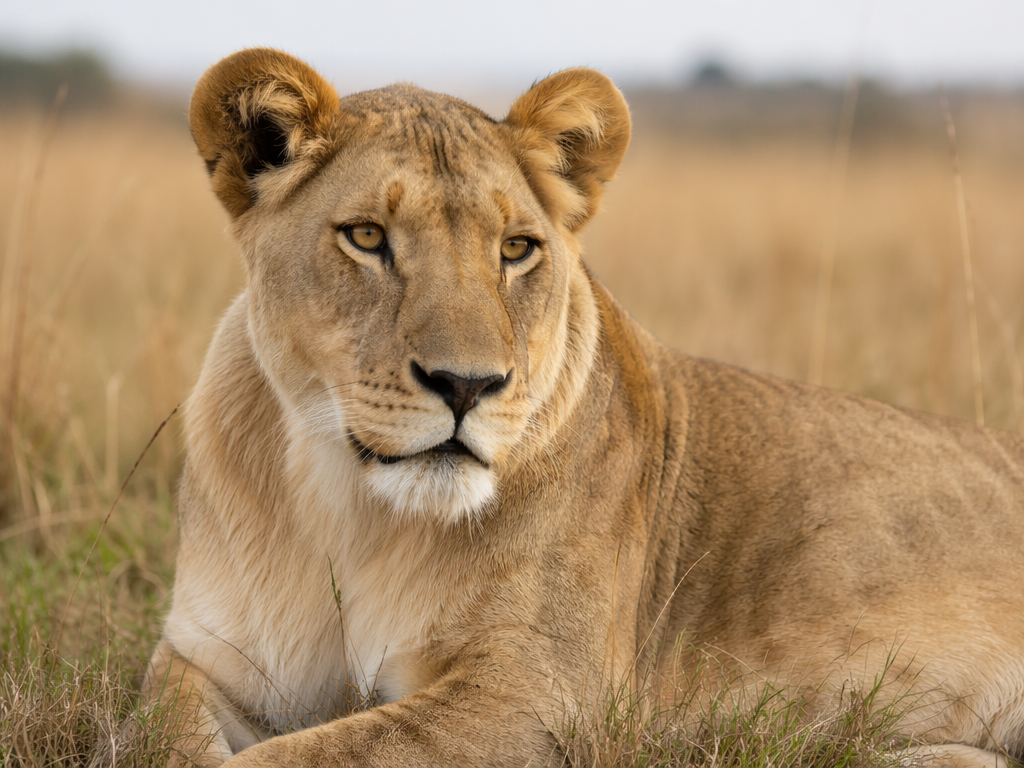
Botswana’s Okavango Delta: The World’s Most Extraordinary Wildlife Oasis
The first time I set foot in the African savannah, I was overwhelmed. The sunsets were surreal, the sounds of wildlife hauntingly beautiful. But the reality is, planning a safari can be a real headache. With so many countries to choose from, each boasting unique landscapes and wildlife, it’s easy to feel lost. So, where do you even start?
Let’s break it down. This guide will help you navigate the best safari countries in Africa, focusing on what makes each destination special, the wildlife you’ll encounter, and how to make the most of your trip.
Why It Matters: The Allure of African Safaris
Safari isn’t just a vacation; it’s a transformative experience. Picture this: you’re in the heart of the Serengeti, watching a pride of lions basking in the golden light. That’s the kind of moment that sticks with you. But beyond the beauty, choosing the right country impacts your experience significantly. The diversity of wildlife, accessibility, and the type of safari experience—be it luxury or budget-friendly—all hinge on where you go.
How It Works: The Safari Experience
A safari generally involves game drives, walking safaris, and sometimes even boat safaris. Here’s a quick rundown of what to expect:
- Game Drives: This is the classic safari experience. You’ll be in an open vehicle, traversing national parks, often at dawn or dusk when animals are most active.
- Walking Safaris: For the adventurous, walking safaris allow you to get up close and personal with nature. Guides will teach you about animal tracks, plants, and the ecosystem.
- Boat Safaris: In places like the Okavango Delta, you can explore the waterways and see wildlife from a different perspective.
Each of these experiences offers a unique thrill. Some countries shine in one area, while others provide a mix. Understanding this will help you narrow down your choices.
Top Safari Countries to Consider
Now, let’s dive into the heavy hitters in the safari game. I’ve spent years exploring these regions, and here’s the rundown:
Tanzania
Tanzania boasts the iconic Serengeti National Park and the Ngorongoro Crater, often dubbed the Eighth Wonder of the World. Here, you can witness the Great Migration, where millions of wildebeest and zebras traverse the plains. Expect a rich tapestry of wildlife: lions, elephants, and even the elusive leopard.
Kenya
Kenya is the birthplace of the safari experience. The Maasai Mara is world-renowned for its vast landscapes and abundant wildlife. The annual migration is spectacular, but even outside that season, the wildlife viewing is exceptional. Plus, the local Maasai culture adds an enriching layer to your visit.
South Africa
For those seeking luxury, South Africa shines. Kruger National Park is well developed, offering a variety of accommodations from budget to ultra-luxurious lodges. The chance to see the Big Five—lion, leopard, elephant, buffalo, and rhino—is high. Additionally, the country boasts stunning landscapes from coastlines to mountains.
Namibia
If you’re fascinated by dramatic landscapes, Namibia is a must-see. The Etosha National Park is unique with its salt pans, and the wildlife is often easy to spot. Also, the incredible dunes of Sossusvlei are a photographer’s dream. A safari here feels like stepping onto another planet.
Botswana
For a more exclusive experience, Botswana is known for its high-end safari lodges and limited tourist numbers. The Okavango Delta is a UNESCO World Heritage Site, teeming with wildlife. Expect intimate encounters and less crowded parks, making it perfect for wildlife photography.
Maintenance: Preparing for Your Safari
Planning a safari isn’t just about booking flights and accommodations. Here are some essential tips to ensure your trip goes smoothly:
- Vaccinations: Check health requirements well in advance. Yellow fever, malaria prophylaxis, and other vaccinations might be necessary.
- Packing: Bring layers; mornings can be chilly, while afternoons are hot. Don’t forget binoculars, a good camera, and insect repellent.
- Respect Local Cultures: Each country has its customs and traditions. Learning a few words in the local language and respecting local customs can go a long way.
Common Questions About African Safaris
Let’s address some burning questions that often come up:
- When is the best time for a safari? The dry season, typically from June to October, is ideal for wildlife viewing, as animals gather around water sources.
- How safe are safaris? Safaris are generally safe, but always follow your guide’s instructions and stay in the vehicle during game drives.
- What’s the price range for safaris? Depending on the country and the type of experience, prices can vary widely. Budget safaris can start at a few hundred dollars, while luxury experiences can reach thousands.
Conclusion: Take the Leap
Choosing the best safari country in Africa can feel overwhelming, but remember this: each destination offers something unique. Whether you’re after the dramatic landscapes of Namibia or the wildlife-rich plains of the Serengeti, the key is to align your choice with what excites you most.
I encourage you to take the leap. An African safari is more than just a trip; it’s a journey into the wild heart of nature, one that leaves a lasting impression. So, get out there and immerse yourself in the adventure of a lifetime.