The Secret Social Lives of Africa’s Big Five You Never Learn in School
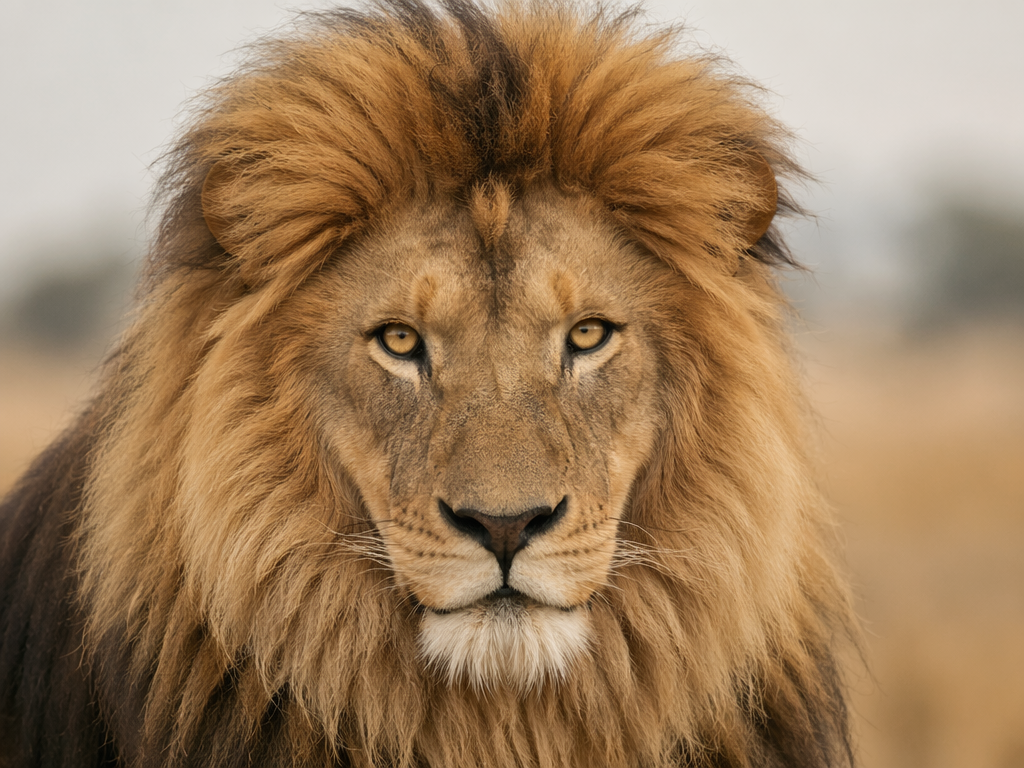
Standing at the edge of the savannah, I felt a thrill of anticipation. The air was thick with the earthy scent of the wilderness, and beyond the tall grasses, I could hear the distant roar of a lion. This was my introduction to the Big Five Safari, an experience many dream of but few truly understand. The Big Five—lions, leopards, elephants, buffalos, and rhinoceroses—aren’t just a list of animals; they represent the heart of Africa’s rich wildlife and the spirit of adventure.
In this guide, I want to take you through what makes a Big Five Safari so special, how to prepare for your journey, and what to expect along the way. Whether you’re a seasoned traveler or planning your first trip, understanding these elements will elevate your safari experience.
The Big Picture: What Makes a Big Five Safari Unique?
The term “Big Five” was coined by big-game hunters in the early 20th century to describe the five most difficult animals to hunt on foot. However, today, the focus is on conservation and wildlife photography, making safaris a chance to appreciate these majestic creatures in their natural habitats.
What sets a Big Five Safari apart is the opportunity to witness these animals interact in the wild. Imagine observing a pride of lions basking in the sun, or a herd of elephants gently playing in a watering hole. Each sighting offers insight into the complex behaviors and social structures of these species. This is not just a vacation; it’s an immersive experience that often transforms your perspective on wildlife and conservation.
Choosing the Right Destination
With Africa’s vast landscapes, choosing the right destination for your Big Five Safari can feel overwhelming. Some of the top locations include:
- Kruger National Park, South Africa: One of the largest game reserves in Africa, it offers a diverse range of animals in a relatively accessible setting.
- Masai Mara, Kenya: Known for the Great Migration, it provides breathtaking views of wildlife and stunning landscapes.
- Chobe National Park, Botswana: Famous for its large elephant population, Chobe also boasts river safaris that offer a unique perspective.
- Serengeti National Park, Tanzania: Renowned for its annual migration, the Serengeti is a dream destination for wildlife enthusiasts.
Researching each location’s wildlife patterns, seasons, and accessibility is crucial. For instance, the wet season can offer lush landscapes and baby animals, while the dry season often concentrates wildlife around water sources.
Preparing for Your Safari Adventure
Preparation is key to a successful safari. Here are some essential considerations:
- Vaccinations and Health Precautions: Consult your doctor about necessary vaccines and malaria prophylaxis. Health precautions are not just for your safety but also help prevent the spread of diseases in wildlife.
- Gear and Packing: Bring lightweight, neutral-colored clothing to blend into the environment. Binoculars, a good camera, and a field guide can enhance your experience significantly. Don’t forget sunscreen and insect repellent!
- Travel Insurance: Ensure your policy covers evacuation and medical emergencies. This adds peace of mind to your adventure.
What surprised me was the level of preparation that goes into a successful safari. It’s not just about showing up; it’s about being equipped to fully engage with the experience.
What to Expect on Safari
On the day of your safari, expect an early start. Most game drives begin at dawn when animals are most active. Your guide will be your best resource; their knowledge often makes the difference between a good safari and a great one.
During the excursions, remain patient and quiet. Wildlife is unpredictable, and sometimes the most thrilling moments come from simply sitting still and observing. Be prepared for the unexpected—a sudden lion sighting, a playful elephant, or birds of vibrant colors that flit through the trees.
Many safari companies also offer night drives and walking safaris, which provide a different perspective on the ecosystem and its inhabitants, highlighting nocturnal behaviors that you wouldn’t see during the day.
Honest Review: The Trade-offs
While a Big Five Safari is often seen as a bucket list experience, it’s not without its challenges. Safari costs can be high, and not all experiences are created equal. Some lodges offer luxury amenities but can be crowded, diminishing the intimacy of the experience. Conversely, budget options may sacrifice comfort or wildlife access.
Additionally, be prepared for the emotional rollercoaster that comes with wildlife observation—the harsh realities of nature mean witnessing life and death can be distressing. Understanding this is part of the journey; it’s crucial to be mentally prepared.
What to Watch Out For
As you plan your safari, stay informed about the ethical considerations surrounding wildlife tourism. Support companies that prioritize conservation and community engagement. Be wary of practices that exploit animals for entertainment, and always respect the wildlife and their habitats.
The safari experience is deeply enriching, both personally and environmentally, but it requires informed choices to ensure it’s beneficial for all involved.
The thrill of a Big Five Safari is unmatched. It’s a journey into the heart of Africa’s wilderness, offering not just the chance to see incredible wildlife but also the opportunity to reflect on our role in preserving these magnificent creatures and their environments.
So, if you’re ready to embrace the adventure, prepare wisely, keep your heart open to the wonders of nature, and get ready for an experience you’ll never forget.
Conclusion: Your Next Step
Now that you have a clearer understanding of what a Big Five Safari entails, the next step is to immerse yourself in the planning phase. Research potential destinations, connect with reputable tour operators, and start envisioning the extraordinary experiences that await you. Your adventure is just beginning, and the wilds of Africa are calling.