
Smartphone vs DSLR on Safari — Can Your Phone Actually Capture a Lion?
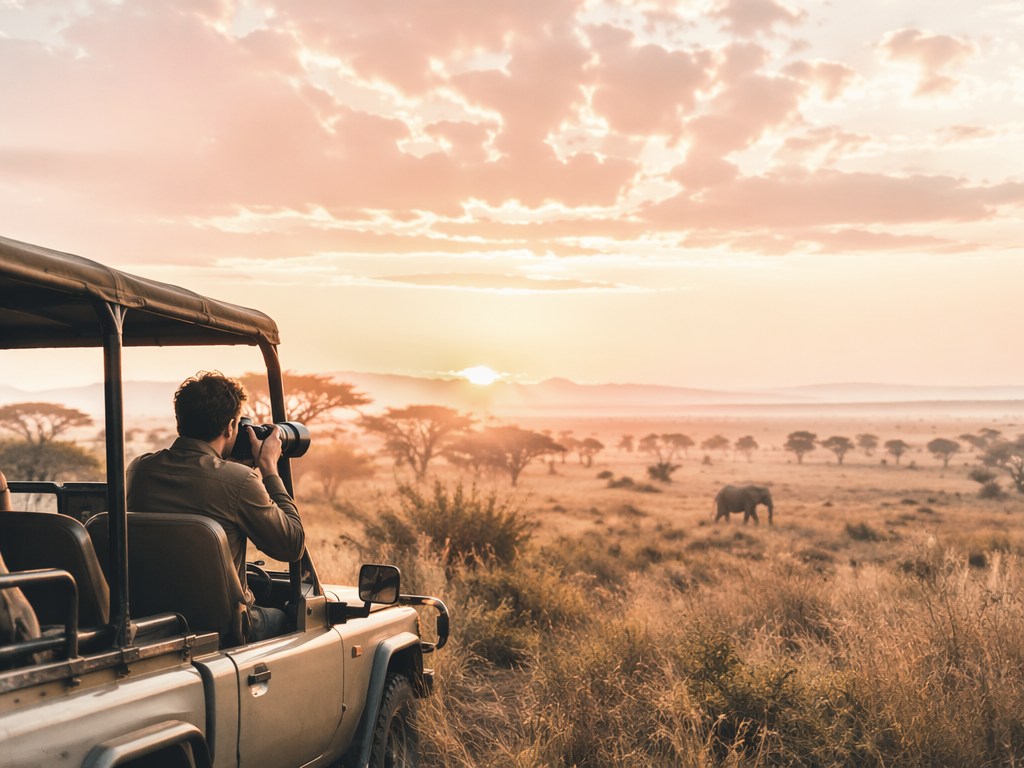
Imagine it: the sun begins to rise over the African savannah, painting the sky in vibrant oranges and pinks. As I sit in the open safari vehicle, the cool breeze ruffling my hair, I’m not just a spectator. I’m a photographer poised to capture the breathtaking beauty of wildlife in action. Each moment feels electric with possibility, and I can’t help but feel the thrill of anticipation – will I get the shot of a lion cub playing or an elephant bathing in a watering hole?
It’s no secret that capturing the raw essence of wildlife in its natural habitat is an exhilarating challenge. But with the right preparation and approach, you can come away with stunning images that tell a story. In this safari photography guide, I’ll share my insights, tips, and tricks gathered from my own adventures in the wild.
The Challenge of Wildlife Photography
Wildlife photography is unique. Unlike a controlled studio environment, you often have fleeting moments to capture. Animals don’t pose, and the lighting can change drastically within seconds. One day I was out chasing a cheetah and the next, I was battling harsh midday light as I tried to photograph a herd of zebras.
This unpredictability is what makes it both challenging and incredibly rewarding. But with the right mindset and techniques, you can turn obstacles into opportunities. Let’s dig into the tools and strategies that make a difference.
Essential Gear for Safari Photography
As I packed for my last safari trip, I felt like a kid in a candy store. Choosing the right gear is crucial. Here’s what I recommend:
- Camera Body: A DSLR or mirrorless camera with fast autofocus is ideal. I use a full-frame camera for its superior quality in low light.
- Lens: A long zoom lens (at least 200-400mm) is a must for distance shots, allowing you to capture animals without disturbing them. My go-to is a 300mm f/2.8 for its sharpness and versatility.
- Tripod or Monopod: These help stabilize your shots, especially with long lenses. I often use a monopod for mobility.
- Extra Batteries and Memory Cards: Wildlife doesn’t wait for anyone! Bring more than you think you’ll need.
- Weather Protection: A rain cover for your camera and a sturdy bag to protect your gear against the elements will save you headaches.
When I forgot my extra batteries on one outing, I kicked myself – missing the chance to capture a migration in action. Learn from my mistake!
Mastering Techniques for Great Shots
Here’s where the fun begins! I’ve honed a few techniques that really elevate your wildlife photography game. Here’s what I’ve learned:
1. Be Patient and Observant
Wildlife often acts unexpectedly. On one occasion, I spent an hour just watching a family of elephants. Patience paid off when a baby elephant started playing, providing me with the perfect shot. Take your time – the best moments often come when you least expect them.
2. Use the Right Settings
Your camera settings matter immensely. I usually shoot in Aperture Priority mode, which allows me to control depth of field while the camera handles the exposure. Aim for a fast shutter speed (1/1000s or faster) to freeze motion, especially if animals are on the move.
3. Focus on Composition
Remember the rule of thirds? It’s a classic for a reason. Position your subjects off-center for a more dynamic shot. I often look for leading lines, like paths or tree branches, to draw the viewer’s eye into the frame.
Working with Light
Lighting can make or break your shot. Early mornings and late afternoons (the golden hours) provide soft, beautiful light that enhances colors and contrasts. On my last trip, I captured a lion bathed in golden light during sunset – it’s a moment I’ll never forget.
Midday sun can be harsh, casting unflattering shadows. If you find yourself shooting during this time, look for shaded areas or use a diffuser if you can.
The Trade-offs of Safari Photography
It’s important to acknowledge some challenges. Wildlife is unpredictable, and sometimes you won’t get the shot you hoped for. One afternoon, I had my heart set on capturing a rare bird, but it never showed. Instead, I pivoted and focused on the landscape. This flexibility can lead to unexpected rewards. Also, consider the ethical implications of wildlife photography. Always prioritize the well-being of the animals above your shot.
Action Plan for Your Next Safari
Now that you’re armed with knowledge, here’s how to prepare for your next safari photography adventure:
- Research your destination – understand the wildlife and the best time to visit.
- Practice your photography skills before you go. Familiarize yourself with your camera, try different settings, and look at photographs from other wildlife photographers.
- Pace yourself on safari – remember, it’s not just about getting the shot, but enjoying the experience. Take breaks to soak in your surroundings.
With all this in mind, you’re ready to embark on your safari photography journey. Each trip will hone your skills, expand your knowledge, and deepen your connection to the wild. So pack that camera, buckle up, and get ready for an adventure that’s as rewarding as it is exhilarating!
In conclusion, wildlife photography on safari is about embracing the adventure and being ready for anything. As you venture into the wild, remember to cherish each moment, both behind the lens and in your heart. Happy shooting!

